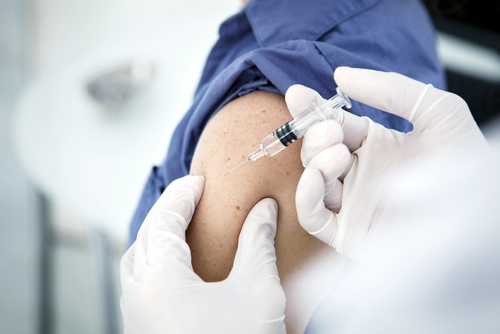
PIERRE, S.D. (MITCHELLNOW) The United States and Europe are taking steps to acquire or manufacture H5N1 bird flu vaccines that could be used to protect at-risk poultry and dairy workers, veterinarians, and lab technicians, which influenza experts say could curb the threat of a pandemic.
U.S officials announced they were moving bulk vaccine from CSL Seqirus that closely matches the current virus into finished shots that could provide 4.8 million doses of vaccine. Dawn O’Connell of the U.S. Administration for Strategic Preparedness and Response said the government is looking closely at the possibility of vaccinating farm workers and others in close contact with the virus. The U.S. has contracts with CSL and GSK to test pre-pandemic vaccines that more closely match the circulating virus than older H5N1 vaccines in the stockpile. The U.S. is moving forward with the CSL vaccine, a Department of Health and Human Services official confirmed. Only 40 people nationwide have been tested for the virus
In addition to the three human cases reported in the United States, since 2022, bird flu in the United States has infected over 90 million chickens, more than 9,000 wild birds and 81 dairy herds.